
Child sexual offences in India are not isolated incidents or rare aberrations. They are systemic violations that occur within the very spaces meant to protect children homes, schools, neighbourhoods, and increasingly, digital platforms. What makes these offences particularly devastating is not only the physical harm involved, but the deep breach of trust and safety that follows. In most cases, the perpetrator is not a stranger but someone the child knows, depends on, or has been taught to respect.
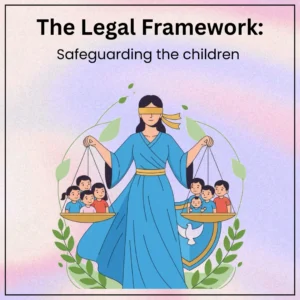
For decades, India addressed child sexual offences through scattered and inadequate provisions under the Indian Penal Code. These laws were neither child-centric nor sensitive to the realities of abuse. The enactment of the Protection of Children from Sexual Offences Act, 2012 (POCSO Act) marked a critical shift. It recognised that children require specific legal protection, free from assumptions about consent, morality, or resistance. By defining a child as anyone below eighteen years of age, the law made it clear that childhood cannot be negotiated or compromised.
The POCSO Act criminalises a wide range of sexual offences, including penetrative and non-penetrative assault, sexual harassment, and the use of children for pornography. It recognises aggravated forms of abuse where the offender is in a position of trust such as a teacher, caregiver, police officer, doctor, or family member and prescribes stricter punishment in such cases. Importantly, the law also penalises attempts and preparatory acts, acknowledging that sexual abuse often begins long before physical harm occurs, through grooming, secrecy, and manipulation.
What sets POCSO apart is its emphasis on child-friendly procedures. Statements are to be recorded in safe environments, trials conducted in camera, and the identity of the child strictly protected. The law mandates speedy trials through special courts to ensure that children are not forced to relive their trauma indefinitely. Amendments introduced in 2019 strengthened penalties for aggravated offences and addressed the growing threat of online child sexual exploitation, including the possession and circulation of abusive material.
POCSO does not function in isolation. The Information Technology Act criminalises online grooming and child pornography, recognising the digital dimension of abuse. The Juvenile Justice Act focuses on care, rehabilitation, and welfare of child survivors, while the Commissions for Protection of Child Rights Act establishes national and state bodies to monitor violations and advocate for systemic reform. Together, these laws create a layered framework for child protection in India.
Yet, the existence of laws does not guarantee safety.
From Law to Lived Reality: Rights, Challenges, and the Role of Society to prevent Child Sexual Offences
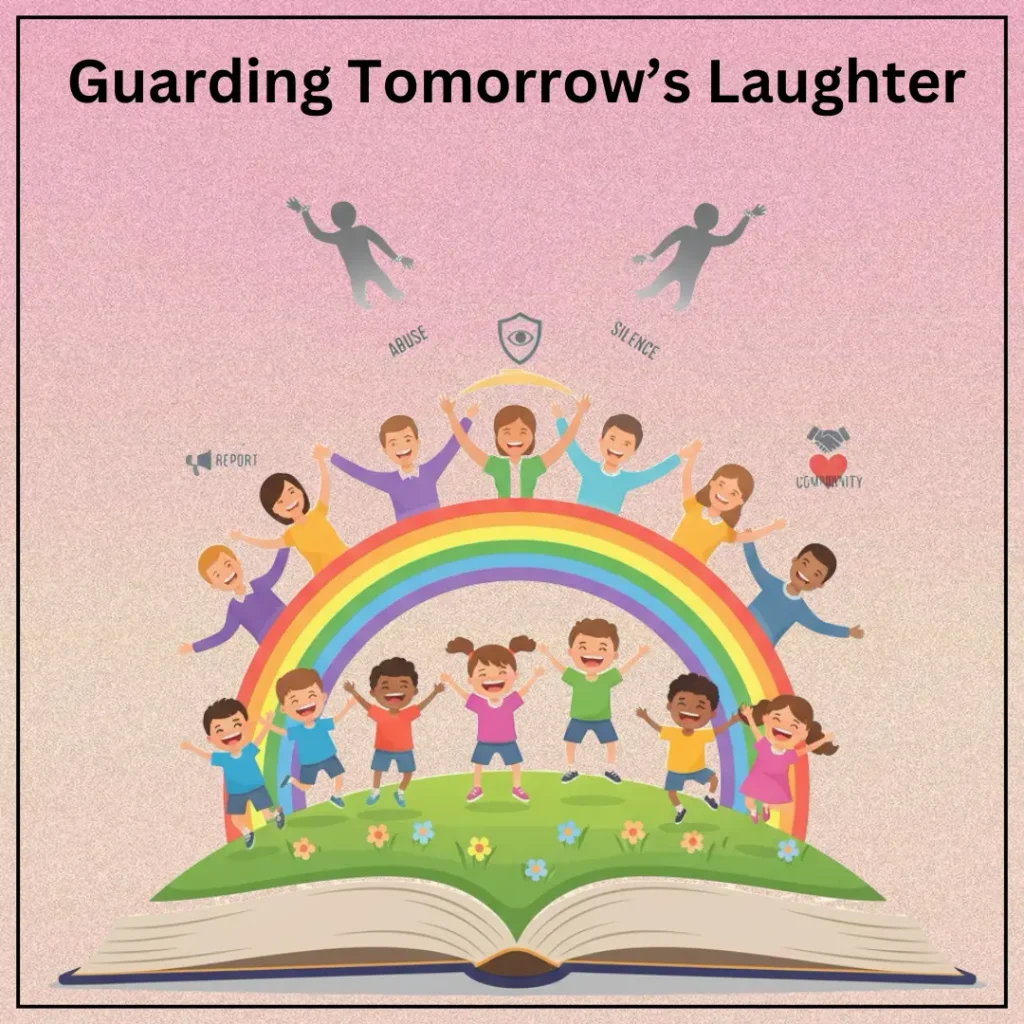
At its core, the POCSO Act is not merely punitive; it is rights-based. It affirms a child’s right to protection, dignity, confidentiality, and psychological care. It recognises that a child’s consent has no legal value in sexual matters and places responsibility firmly on adults and institutions. Mandatory reporting provisions ensure that abuse cannot be ignored or quietly settled. Silence, under the law, is no longer neutral.
Despite this, implementation remains one of the greatest challenges in addressing child sexual offences in India. A significant number of cases go unreported due to stigma, fear of social backlash, family pressure, and lack of trust in law enforcement. Children often withdraw complaints or turn hostile during trials, not because abuse did not occur, but because the process itself becomes overwhelming. Long investigations, repeated questioning, and absence of consistent psychological support frequently result in secondary trauma.
Conviction rates in POCSO cases remain low, reflecting systemic gaps rather than lack of offences. Digital abuse presents additional complications. Online grooming, sextortion, and circulation of child sexual abuse material have increased with widespread internet access. While laws exist, enforcement struggles to keep pace with the anonymity and speed of digital platforms.
Indian courts have attempted to bridge some of these gaps through interpretation. Judicial decisions have clarified that biological age alone determines protection under POCSO, regardless of perceived maturity. Courts have also emphasised that sexual intent, not just physical contact, constitutes abuse. Importantly, the judiciary has reinforced that speedy trials are not optional but essential to protecting the child’s mental health and dignity.
However, the law cannot notice when a child becomes unusually withdrawn, suddenly fearful, or emotionally distant. It cannot recognise grooming disguised as affection. That responsibility lies with parents, teachers, neighbours, and communities.
Reporting abuse through Childline 1098 or local authorities is not only a legal obligation but a moral one. Breaking stigma, supporting survivors, and refusing to dismiss discomfort as misunderstanding are crucial acts of prevention. Children must be taught about safety, boundaries, and the right to say no, and must know that they will be believed if they speak.
Preventing child sexual offences in India requires moving beyond punishment to prevention. Legal awareness, early intervention, and community vigilance are as important as convictions. Laws lay the foundation, but protection is built through everyday actions listening without judgment, acting without delay, and choosing responsibility over silence.
Child sexual offences are not merely crimes against individual children. They are failures of collective responsibility. Safeguarding childhood demands more than legislation; it requires sustained awareness, empathy, and action. When law and society work together, protection does not begin in courtrooms it begins long before harm occurs.